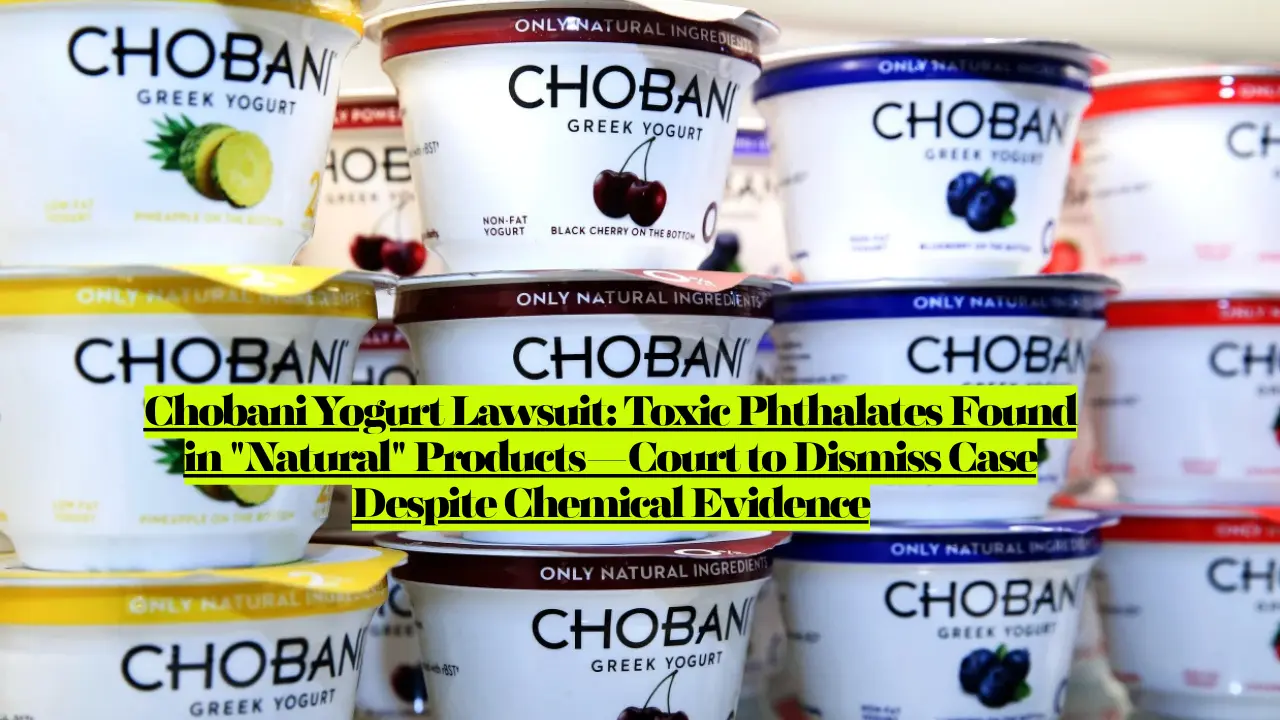
Chobani's "Natural" Claim Challenged: A Deep Dive into Phthalates and Past Recalls
Chobani, a household name synonymous with Greek yogurt and a commitment to "natural ingredients," has found itself at the center of significant legal challenges, testing the very foundation of its brand image. From a widespread mold recall that impacted hundreds of consumers to more recent allegations concerning the presence of phthalates in its products, the company's journey has been marked by both rapid growth and public scrutiny. This article delves into the intricacies of the Chobani Yogurt Lawsuit related to phthalates and revisits the major mold recall, providing a comprehensive overview of the claims, their implications, and what consumers need to know.
The "Natural" Promise Under Scrutiny: Chobani's Phthalates Lawsuit Explained
The latest challenge to Chobani's "natural" marketing came to light with a class-action lawsuit filed in April 2025. This legal action was reportedly initiated after independent research in December 2024 identified traces of phthalates in certain Chobani yogurt products. The core of the lawsuit hinges on the brand's prominent advertising of "only natural ingredients," a claim that the plaintiffs allege is directly contradicted by the presence of these synthetic chemicals.
Phthalates are a group of chemicals commonly used to make plastics more flexible and durable. In the context of the Chobani Yogurt Lawsuit, the complaint suggests that the phthalates likely originated from the plastic polypropylene containers themselves. Phthalates are known to be used as catalysts in the bonding of polypropylene molecules during manufacturing. While the lawsuit acknowledges that the specific phthalates found are generally permitted for food contact applications by regulatory bodies, the critical point of contention is the alleged false advertising. Consumers purchasing products marketed as "only natural ingredients" expect a product free from such synthetic compounds, regardless of their regulatory status for food contact.
This lawsuit highlights a growing tension between industry practices and evolving consumer expectations regarding transparency and ingredient purity. The term "natural" lacks a strict legal definition in many jurisdictions, allowing for broad interpretation. However, consumers increasingly associate "natural" with products free from artificial preservatives, colors, flavors, and indeed, synthetic chemicals that might leach from packaging. For brands like Chobani that have built their reputation on this perception, such lawsuits can significantly erode consumer trust and force a re-evaluation of marketing claims and sourcing practices.
What Does This Mean for Consumers?
- Scrutinize "Natural" Claims: Recognize that "natural" is a marketing term. Always check ingredient lists and, if possible, research a brand's specific manufacturing and packaging processes.
- Packaging Awareness: Be mindful of packaging materials. While plastics are ubiquitous, some consumers may prefer glass or other alternatives if concerned about chemical leaching.
- Support Transparency: Prioritize brands that offer clear, detailed information about their ingredients and sourcing, going beyond vague "natural" claims.
A Look Back: The Chobani Mold Recall of 2013 and its Aftermath
Before the recent phthalates allegations, Chobani faced a major crisis in 2013 involving a widespread recall of its Greek yogurt products due to a mold issue. This incident served as a stark reminder of the complexities of food production and the critical importance of food safety. In August 2013, consumers began reporting unusual characteristics in their Chobani yogurt cups, including bloating, swelling, foul smells, sour tastes, and an "unnervingly fizzy" or "wine-like" consistency. Many customers also reported illnesses after consuming the affected products.
Initially, Chobani referred to its actions as a "voluntary withdrawal" and characterized the problem as a "quality issue, not food safety." However, as complaints mounted and reports of illness grew, the company issued an official recall on September 5, 2013, for 91 types of Greek yogurt manufactured at its Twin Falls, Idaho facility. The mold was later identified as Mucor circinelloides, a type commonly found in dairy environments and industrial stirred-tank fermenters used for yogurt production. While not typically causing food poisoning like E. coli or salmonella, it was acknowledged that this mold could cause infections under certain circumstances.
The recall impacted products distributed across the United States, sold in major retailers like Walgreens, Target, Safeway, and Costco, with best-by dates between September 11 and October 7 and bearing the code "16-012." The incident escalated, with the FDA receiving numerous illness reports, and a class-action lawsuit quickly followed on September 12, 2013. A study published later, in July 2014, concluded that the mold posed health risks for all consumers who ate it, not just individuals with weakened immune systems, linking the recalled yogurt to as many as 300 reported illnesses.
This episode underscored the challenges of maintaining quality control in large-scale natural food production, as Chobani itself stated the mold issue arose "particularly when using only natural ingredients that are absent of artificial preservatives." The incident also highlighted the critical importance of timely and transparent communication from companies during a food safety crisis. For a deeper dive into the specifics of this event, you can read our related articles: Chobani Yogurt Recall: Mold Linked to 300 Illnesses Exposed and Bloated Chobani Yogurt: Unpacking the Mold Recall & Lawsuit.
Lessons Learned from the Mold Recall:
- Prompt Action is Key: Delays in acknowledging and acting on consumer complaints can exacerbate a crisis and damage reputation.
- Transparency Builds Trust: Clear communication about the nature of the problem and the steps being taken is essential.
- "Natural" Doesn't Mean Impervious: Natural ingredients, while often preferred, can sometimes pose unique challenges for shelf stability and pathogen control.
Understanding Consumer Rights and Product Claims
These legal battles faced by Chobani serve as important case studies for understanding consumer rights, particularly concerning product claims and food safety. Whether it's the potential presence of unwanted chemicals like phthalates or the contamination of food products with mold, consumers are increasingly empowered to hold companies accountable.
False Advertising and "Natural" Claims:
The "natural" claim is a frequent target of lawsuits because its ambiguity allows for varied interpretations. While specific regulations are often lacking, consumer protection laws can still be invoked if a company's marketing is deemed misleading or deceptive. When a brand extensively promotes an image of purity and then is found to include elements that contradict that image, it can lead to allegations of false advertising. Consumers expect that a product touted as "natural" would not contain synthetic compounds, even if those compounds are technically permissible for food contact.
Product Safety and Recalls:
Food safety is non-negotiable. Regulatory bodies like the FDA play a crucial role in overseeing food production and responding to incidents. However, consumer vigilance remains paramount. Recognizing signs of spoilage or contamination and promptly reporting them to both the manufacturer and regulatory agencies can prevent wider outbreaks and ensure swift action. Class-action lawsuits, such as those filed against Chobani, provide a mechanism for individuals to collectively seek redress when they have been harmed or misled by a product.
Your Role as an Informed Consumer:
Empowering yourself with knowledge is the best defense. Research brands, understand ingredient labels beyond marketing buzzwords, and stay informed about current events in the food industry. Your choices and feedback have the power to influence industry practices and drive greater transparency.
Navigating the Dairy Aisle: Tips for Informed Choices
Given the complexities highlighted by the Chobani Yogurt Lawsuit and past recalls, how can consumers make the most informed decisions when selecting dairy products, especially yogurt?
- Read Beyond the Front Label: Don't just rely on marketing terms like "natural" or "pure." Turn the product around and read the full ingredient list. Understand what each ingredient is and its purpose.
- Research Packaging Materials: If concerns about chemical leaching (like phthalates) are a priority, research the types of plastics used in food containers or opt for glass packaging when available.
- Stay Updated on Recalls: Regularly check official food safety websites (e.g., FDA, USDA) for recall notices. Sign up for alerts if you frequently purchase specific brands or products.
- Examine the Product Before Purchase/Consumption: Before buying, check for visible signs of damage, bloating, or unusual appearance. Before eating, inspect for unusual odors, colors, or textures that could indicate spoilage, as was the case with the Chobani mold recall.
- Support Transparent Brands: Favor companies that are clear about their ingredient sourcing, manufacturing processes, and quality control measures. Look for third-party certifications that align with your values.
- Report Concerns: If you encounter a product that seems contaminated or does not match its claims, report it to the manufacturer and relevant food safety authorities. Your report contributes to public health and consumer protection.
Conclusion
Chobani's journey, marked by both remarkable success and significant legal challenges, underscores the evolving landscape of consumer expectations in the food industry. The phthalates lawsuit directly challenges the authenticity of its "natural" claim, while the 2013 mold recall highlighted critical food safety and communication lessons. These incidents collectively serve as a powerful reminder for both manufacturers and consumers: corporate responsibility extends beyond simply meeting minimum regulatory standards; it involves transparent communication, rigorous quality control, and a genuine commitment to delivering on advertised promises. For consumers, staying informed, scrutinizing claims, and actively participating in product safety vigilance are more important than ever in navigating the modern marketplace and demanding the quality and transparency they deserve.